 EN
EN
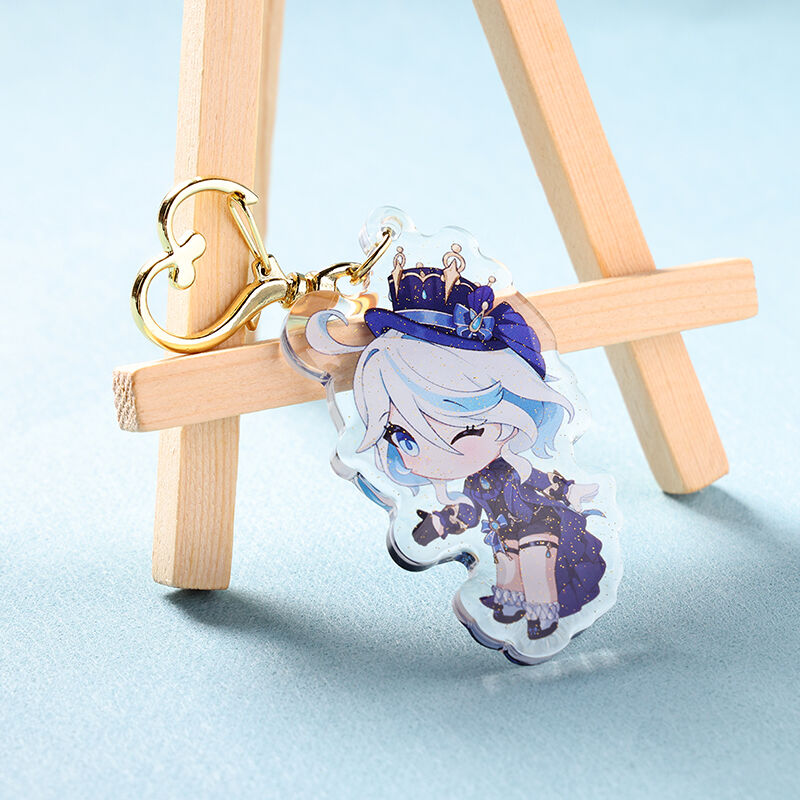
The stationery industry has witnessed remarkable growth in custom organizational products, with acrylic paper clips emerging as a standout innovation that combines functionality with aesthetic appeal. These transparent and durable accessories have revolutionized traditional office supplies by offering unlimited customization possibilities for businesses seeking distinctive branding opportunities. Modern enterprises recognize that even the smallest office accessories can serve as powerful marketing tools when designed thoughtfully and manufactured with precision.
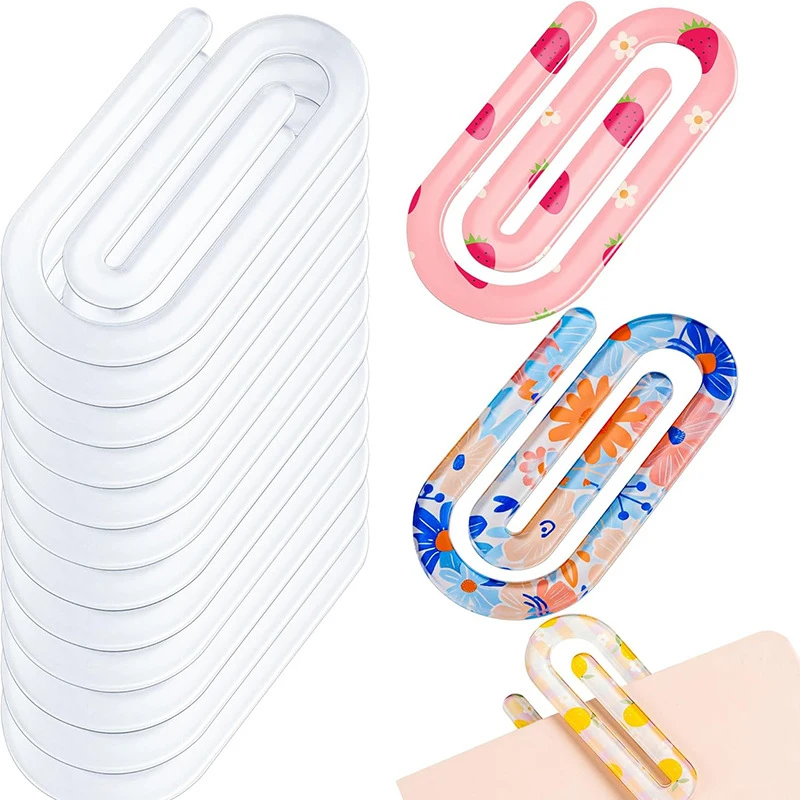
Creating custom designs requires understanding both the material properties of acrylic and the specific needs of target customers. Professional designers must consider factors such as thickness tolerance, color compatibility, and production scalability when developing concepts for commercial distribution. The manufacturing process involves precise cutting techniques and quality control measures that ensure consistent results across large production runs.
Understanding Acrylic Material Properties for Paper Clip Design
Material Composition and Durability Factors
Acrylic materials used in paper clip manufacturing typically consist of polymethyl methacrylate compounds that provide exceptional clarity and impact resistance. These synthetic polymers offer superior longevity compared to traditional metal clips while maintaining flexibility under normal use conditions. The molecular structure allows for consistent performance across temperature variations commonly encountered in office environments.
Thickness specifications play a crucial role in determining the functional capacity and aesthetic appeal of finished products. Most commercial acrylic paper clips utilize materials ranging from 2mm to 4mm thickness, providing optimal balance between strength and visual elegance. The selection process requires careful consideration of intended load capacity and frequency of use in target applications.
Color Integration and Transparency Options
Modern acrylic formulations support extensive color customization through various integration methods including dye incorporation and surface treatments. Transparent options remain popular for professional environments where subtle branding is preferred, while colored variants serve specialized markets requiring enhanced visibility or organizational coding systems. The optical properties of acrylic ensure consistent color representation across different lighting conditions.
Surface finishing techniques can enhance both aesthetic appeal and functional performance of acrylic paper clips through processes such as polishing, texturing, or coating application. These treatments can improve grip characteristics while maintaining the inherent visual clarity that makes acrylic materials desirable for premium office accessories.
Design Principles for Commercial Paper Clip Production
Ergonomic Considerations and User Experience
Effective paper clip design requires thorough understanding of human factors engineering principles that influence user interaction with small office accessories. Finger placement areas must provide adequate surface contact without creating pressure points during extended use periods. The curvature radius and opening mechanism should accommodate various paper thicknesses while maintaining secure document retention.
Testing protocols for ergonomic validation involve multiple user groups representing different age demographics and physical capabilities. Feedback collection processes help identify potential design improvements before committing to production tooling investments. Statistical analysis of user preference data guides refinement decisions that enhance overall product acceptance in competitive markets.
Branding Integration and Visual Identity
Corporate identity elements can be seamlessly incorporated into acrylic paper clip designs through various techniques including laser engraving, printing, and dimensional shaping. Logo placement requires careful consideration of visibility angles and size constraints while maintaining functional integrity. The transparent nature of acrylic materials provides unique opportunities for layered branding effects not achievable with conventional materials.
Color psychology plays an important role in brand recognition and emotional response to office accessories. Research indicates that specific color combinations can influence productivity perceptions and workspace satisfaction levels. Professional designers leverage these insights to create products that support positive brand associations while serving practical organizational needs.
Manufacturing Processes and Quality Control Standards
Precision Cutting and Shaping Techniques
Modern acrylic paper clip manufacturing relies on advanced cutting technologies including laser systems, water jet processing, and precision molding techniques. Each method offers distinct advantages in terms of edge quality, dimensional accuracy, and production efficiency. Laser cutting provides exceptional precision for intricate designs while maintaining smooth edge finishes that require minimal post-processing.
Quality control measures throughout the manufacturing process ensure consistent dimensional tolerances and surface finish standards. Automated inspection systems can detect variations in thickness, edge smoothness, and overall geometry before products reach packaging stages. Statistical process control methods help maintain production consistency while identifying potential equipment maintenance needs.
Surface Treatment and Finishing Operations
Post-production finishing operations significantly impact the final appearance and functional performance of acrylic paper clips. Polishing processes remove manufacturing marks while enhancing optical clarity and professional appearance. Specialized coating applications can provide additional benefits such as anti-static properties or enhanced grip surfaces.
Environmental considerations during finishing operations include proper ventilation systems and waste management protocols for chemical treatments. Sustainable manufacturing practices increasingly influence process selection decisions as businesses seek to minimize environmental impact while maintaining product quality standards. Certification programs validate adherence to environmental and safety regulations throughout production cycles.
Market Applications and Target Customer Segments
Corporate and Professional Office Environments
Professional office environments represent the primary market segment for premium acrylic paper clips, where aesthetic appeal combines with functional reliability to support organizational efficiency. Corporate purchasing decisions often consider factors beyond basic functionality, including visual consistency with existing office décor and potential for brand reinforcement through customized designs.
Executive offices and client-facing areas particularly benefit from the premium appearance of well-designed acrylic accessories. The transparent nature of the material creates an impression of modern sophistication while maintaining practical utility for document organization. Bulk purchasing programs for large organizations require consideration of packaging efficiency and storage requirements.
Educational and Creative Industry Applications
Educational institutions and creative industries utilize acrylic paper clips for both functional and instructional purposes. The clear material properties make these accessories ideal for educational demonstrations involving organizational systems and workflow management. Art and design studios appreciate the aesthetic flexibility that supports various creative project requirements.
Custom educational sets can incorporate color coding systems that facilitate learning objectives while providing practical organizational tools. The durability of acrylic materials ensures long-term utility in high-use educational environments where frequent handling is expected. Specialized packaging options support classroom distribution and storage requirements.
Distribution and Marketing Strategies
Online Platform Optimization
Digital marketing strategies for acrylic paper clips require comprehensive understanding of search behavior patterns and competitive landscape analysis. E-commerce platforms provide opportunities for detailed product visualization through high-quality photography and interactive design tools. Customer review systems help build trust and provide valuable feedback for product improvement initiatives.
Search engine optimization techniques focus on relevant keyword integration while providing valuable content that addresses customer questions and concerns. Product description optimization balances technical specifications with benefits-focused messaging that resonates with target audiences. Social media integration supports brand awareness while facilitating customer engagement and feedback collection.
Wholesale and Retail Channel Development
Wholesale distribution channels require different marketing approaches compared to direct-to-consumer sales strategies. Trade show participation provides opportunities for hands-on product demonstration and relationship building with potential distributors. Sample programs allow prospective partners to evaluate product quality and customer response before committing to inventory investments.
Retail partnerships benefit from comprehensive support packages including point-of-sale materials, product training resources, and marketing collateral. Display solutions that showcase the unique properties of acrylic materials help differentiate products from traditional alternatives. Pricing strategies must account for distribution margins while maintaining competitive positioning in target markets.
FAQ
What thickness of acrylic material works best for paper clip applications
The optimal thickness for acrylic paper clips typically ranges from 2mm to 4mm, depending on intended use and capacity requirements. Thinner materials provide more flexibility for delicate documents, while thicker options offer increased strength for heavier paper loads. Manufacturing considerations also influence thickness selection based on available cutting and shaping equipment capabilities.
How can businesses incorporate custom branding into acrylic paper clip designs
Custom branding integration can be achieved through various methods including laser engraving, color incorporation, and dimensional shaping techniques. Logo placement should consider visibility requirements while maintaining functional integrity of the clip mechanism. Professional design consultation helps optimize branding elements for maximum impact within material and manufacturing constraints.
What quality control measures ensure consistent production standards
Quality control protocols include dimensional inspection, surface finish evaluation, and functional testing procedures throughout the manufacturing process. Automated inspection systems detect variations in thickness, edge quality, and overall geometry before packaging operations. Statistical process control methods help maintain consistency while identifying potential equipment maintenance requirements.
Are there environmental benefits to choosing acrylic over traditional metal paper clips
Acrylic paper clips offer several environmental advantages including recyclability, reduced mining impact, and longer product lifespan compared to traditional metal alternatives. The manufacturing process generates less industrial waste, and end-of-life disposal options support circular economy principles. Sustainable sourcing practices for raw materials further enhance environmental benefits throughout the product lifecycle.
Table of Contents
- Understanding Acrylic Material Properties for Paper Clip Design
- Design Principles for Commercial Paper Clip Production
- Manufacturing Processes and Quality Control Standards
- Market Applications and Target Customer Segments
- Distribution and Marketing Strategies
-
FAQ
- What thickness of acrylic material works best for paper clip applications
- How can businesses incorporate custom branding into acrylic paper clip designs
- What quality control measures ensure consistent production standards
- Are there environmental benefits to choosing acrylic over traditional metal paper clips