 EN
EN

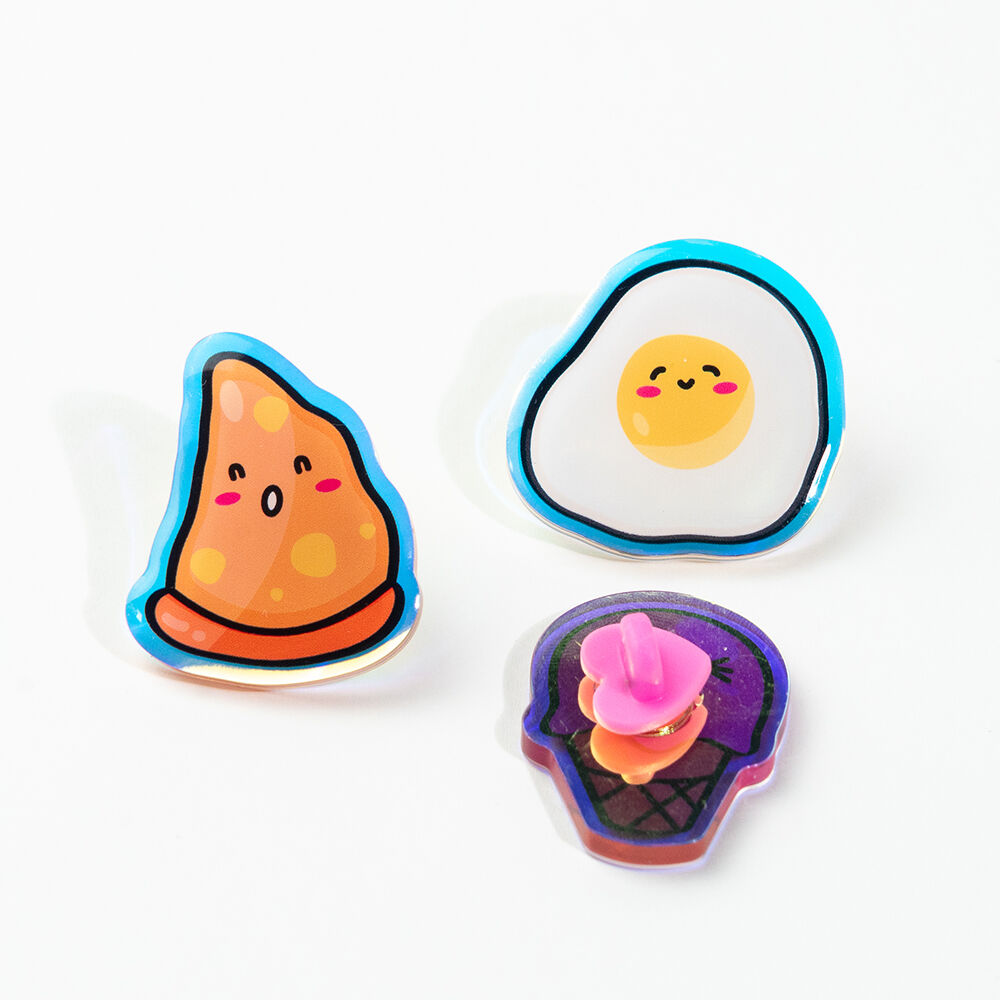
Creating effective promotional merchandise requires careful consideration of design, functionality, and brand alignment. OEM shaker keychains have emerged as a popular choice for businesses seeking versatile promotional items that combine visual appeal with interactive elements. These customizable accessories offer unique opportunities to capture attention while delivering memorable brand experiences that resonate with target audiences across various retail and promotional contexts.
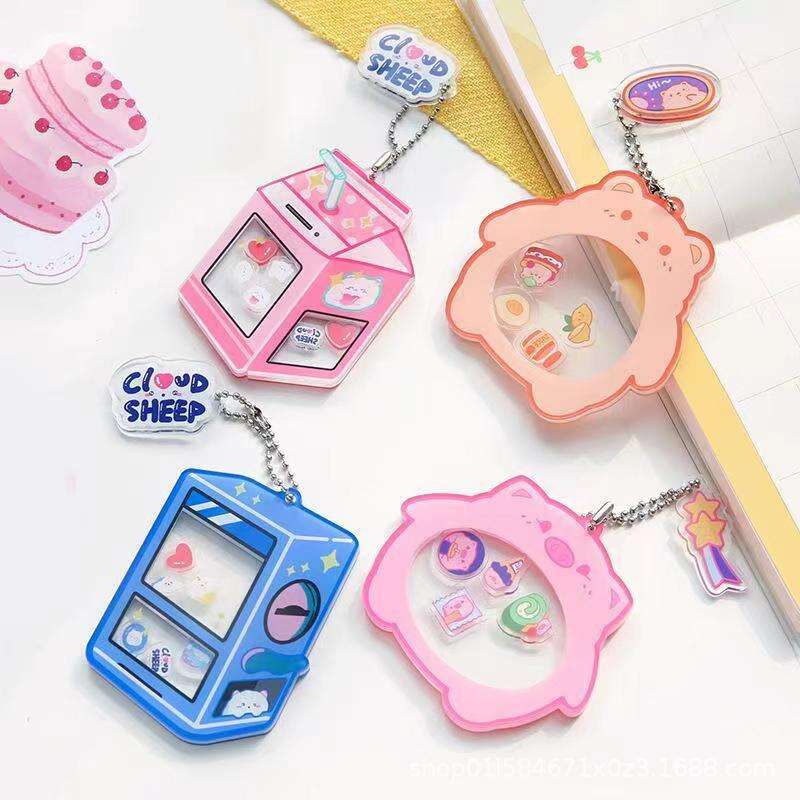
The manufacturing process for these promotional products involves sophisticated techniques that allow for complete customization of both exterior design elements and internal moving components. Modern production capabilities enable businesses to incorporate specific color schemes, logos, messaging, and even custom-shaped internal elements that create distinctive visual and auditory effects when the keychain is moved or shaken.
Understanding the technical aspects of OEM manufacturing helps businesses make informed decisions about design specifications, material selections, and production timelines. Professional manufacturers utilize advanced molding techniques, precision printing methods, and quality control processes to ensure consistent results across large production runs while maintaining the interactive functionality that makes these promotional items so engaging.
Understanding OEM Manufacturing Capabilities
Material Selection and Quality Standards
The foundation of successful OEM shaker keychain production lies in selecting appropriate materials that balance durability, visual appeal, and cost-effectiveness. High-quality acrylic materials provide excellent clarity for displaying internal elements while offering superior resistance to impact and environmental factors. These materials undergo rigorous testing to ensure they meet industry standards for promotional merchandise applications.
Manufacturers typically offer various acrylic thicknesses and formulations to accommodate different design requirements and budget considerations. Premium-grade materials feature enhanced UV resistance, preventing discoloration over extended periods of use. The selection process also involves evaluating material compatibility with different printing methods and decorative techniques that will be applied during production.
Quality control protocols ensure consistent material properties across production batches, maintaining uniformity in appearance and performance. Professional manufacturers maintain detailed specifications for material sourcing, storage conditions, and handling procedures to preserve optimal material characteristics throughout the manufacturing process.
Production Techniques and Customization Options
Modern OEM facilities employ sophisticated manufacturing techniques that enable extensive customization possibilities for shaker keychain designs. Precision laser cutting technology allows for intricate exterior shapes while maintaining smooth edges and exact dimensional tolerances. Computer-controlled equipment ensures reproducible results across large production quantities.
Digital printing capabilities support full-color graphics reproduction with exceptional detail and color accuracy. Advanced printing systems can accommodate complex designs featuring gradients, photographs, and fine text elements. Screen printing options provide durability for simpler designs while offering cost advantages for larger production runs.
Assembly processes incorporate specialized techniques for securely sealing internal components while maintaining the desired movement characteristics. Professional manufacturers utilize ultrasonic welding, adhesive bonding, or mechanical fastening methods depending on specific design requirements and performance expectations.
Design Principles for Maximum Impact
Visual Design Strategy Development
Effective promotional keychain design requires strategic consideration of brand messaging, target audience preferences, and visual hierarchy principles. Successful designs balance brand recognition elements with engaging visual effects that encourage interaction and extended engagement. Color psychology plays a significant role in creating emotional connections between consumers and promotional items.
Professional designers recommend incorporating high-contrast color combinations that enhance visibility of internal moving elements while ensuring brand colors remain prominent. Typography selection should prioritize readability at small sizes while maintaining consistency with established brand guidelines. Logo placement requires careful consideration of how movement effects might impact brand visibility.
Visual testing procedures help identify potential design issues before production begins. Mock-ups and prototypes allow stakeholders to evaluate design effectiveness and make necessary adjustments to optimize visual impact and brand representation.
Interactive Element Planning
The selection and arrangement of internal moving components significantly influence the overall appeal and functionality of OEM shaker keychains. Various materials can be incorporated as internal elements, including colored beads, glitter, small branded pieces, or custom-shaped components that relate to specific products or services.
Movement dynamics require careful planning to ensure optimal visual effects while maintaining durability over extended use periods. The internal chamber design influences how elements move and settle, affecting both immediate visual impact and long-term performance characteristics. Professional manufacturers provide guidance on element selection based on intended use patterns and expected product lifespan.
Sound considerations also play a role in design planning, as different internal elements create varying auditory effects during movement. Some applications benefit from subtle sound effects that enhance the interactive experience, while others require minimal noise generation for professional environments.
Retail Application Strategies
Point-of-Sale Integration
Retail environments present unique opportunities for incorporating OEM shaker keychains into comprehensive marketing strategies. These promotional items function effectively as impulse purchase additions, complementary products for related merchandise, or rewards for specific purchase thresholds. Strategic placement near checkout areas maximizes visibility and purchase likelihood.
Product packaging design should complement the keychain design while providing clear information about interactive features. Attractive packaging enhances perceived value and encourages gift-giving applications. Retail pricing strategies must account for production costs, distribution margins, and competitive positioning within the promotional merchandise market.
Staff training programs help retail personnel understand product features and benefits, enabling them to effectively communicate value propositions to potential customers. Educational materials and demonstration techniques can increase sales conversion rates and customer satisfaction levels.
Seasonal and Event-Based Campaigns
Timing considerations play crucial roles in maximizing the effectiveness of retail shaker keychain campaigns. Holiday seasons, special events, and industry-specific occasions provide opportunities to create themed designs that resonate with current consumer interests and purchasing behaviors. Limited edition designs create urgency and exclusivity that can drive increased sales.
Cross-promotional opportunities arise when keychain designs coordinate with other marketing initiatives, product launches, or corporate events. Integrated marketing approaches amplify brand messaging while providing multiple touchpoints for consumer engagement. Professional campaign planning ensures consistent messaging across all promotional materials and channels.
Market research data helps identify optimal timing for different demographic segments and geographic regions. Understanding consumer behavior patterns enables more effective campaign scheduling and inventory management decisions.
Promotional Campaign Implementation
Distribution Channel Selection
Successful promotional campaigns require strategic distribution planning that aligns with target audience characteristics and campaign objectives. Trade shows, corporate events, and professional conferences provide direct engagement opportunities where interactive promotional items generate immediate interest and memorable brand experiences.
Direct mail campaigns can incorporate shaker keychains as premium items that increase response rates and enhance brand recall. The tactile and interactive nature of these promotional products creates positive associations that traditional printed materials cannot achieve. Packaging design for direct mail applications must balance protection requirements with presentation aesthetics.
Digital marketing integration opportunities include social media campaigns that encourage user-generated content featuring the promotional keychains. Interactive elements provide natural opportunities for video content creation and sharing, extending campaign reach through organic amplification channels.
Performance Measurement and Optimization
Effective campaign management requires establishing measurable objectives and tracking systems that provide insights into promotional effectiveness. Key performance indicators might include distribution quantities, engagement levels, brand recall metrics, and conversion rates associated with specific promotional activities.
Customer feedback collection systems help identify strengths and improvement opportunities for future OEM shaker keychain campaigns. Survey data, focus group insights, and observational studies provide valuable information about consumer preferences, usage patterns, and perceived value assessments.
Continuous improvement processes incorporate performance data into design refinements, distribution strategy adjustments, and campaign optimization initiatives. Professional analysis of campaign results enables more effective planning for subsequent promotional efforts and better return on investment outcomes.
Quality Control and Manufacturing Standards
Production Quality Assurance
Professional OEM manufacturers implement comprehensive quality control systems that monitor every aspect of the production process. Incoming material inspections verify that raw materials meet specified quality standards before entering production workflows. Dimensional accuracy checks ensure consistent sizing across production batches.
Assembly quality verification procedures examine seal integrity, internal element placement, and overall construction quality. Functional testing protocols evaluate movement characteristics, durability under stress conditions, and visual appearance after simulated use periods. These quality measures ensure that finished products meet both aesthetic and performance expectations.
Documentation systems maintain detailed records of quality control activities, enabling traceability and continuous improvement initiatives. Professional manufacturers provide quality certification and compliance documentation that supports procurement requirements and brand reputation management objectives.
Safety and Compliance Standards
Regulatory compliance requirements vary depending on intended markets and user demographics. Professional manufacturers maintain current knowledge of applicable safety standards, labeling requirements, and testing protocols for promotional merchandise applications. Compliance documentation supports market entry and distribution activities.
Material safety considerations include evaluation of chemical composition, potential allergen content, and environmental impact factors. Responsible manufacturing practices incorporate sustainable material sourcing and waste reduction initiatives that align with corporate social responsibility objectives.
International shipping and customs requirements may impose additional compliance obligations for global distribution campaigns. Professional manufacturers provide guidance on documentation requirements and regulatory considerations that affect international promotional merchandise distribution.
Cost Optimization and Budget Planning
Production Cost Analysis
Understanding the various cost components involved in OEM shaker keychain production enables more effective budget planning and pricing decisions. Material costs typically represent the largest expense category, followed by manufacturing labor, equipment utilization, and quality control activities. Volume considerations significantly impact per-unit costs through economies of scale.
Design complexity directly influences production costs through increased material requirements, specialized manufacturing techniques, and extended assembly times. Professional cost analysis helps identify opportunities for design optimization that maintains visual impact while reducing overall expenses. Value engineering approaches balance performance requirements with budget constraints.
Tooling and setup costs must be amortized across production quantities, making volume planning crucial for cost-effective campaigns. Professional manufacturers provide detailed cost breakdowns that support informed decision-making about production quantities and design specifications.
Budget Allocation Strategies
Comprehensive promotional campaign budgets must account for production costs, distribution expenses, marketing support activities, and performance measurement initiatives. Strategic allocation decisions balance immediate production requirements with long-term campaign sustainability and scalability objectives.
Contingency planning addresses potential cost variations due to material price fluctuations, production timeline changes, or quantity adjustments. Professional budget management includes regular monitoring and reporting systems that provide visibility into actual versus projected expenses throughout campaign execution.
Return on investment calculations help justify promotional spending and guide future budget allocation decisions. Comprehensive cost tracking systems enable accurate assessment of campaign effectiveness and identification of optimization opportunities for subsequent promotional initiatives.
FAQ
What minimum order quantities are typically required for OEM shaker keychain production
Minimum order quantities for OEM shaker keychains typically range from 100 to 500 pieces, depending on design complexity and manufacturer capabilities. Higher quantities generally result in better per-unit pricing due to economies of scale in production setup and material procurement. Professional manufacturers can often accommodate smaller quantities for prototype development or testing purposes, though unit costs may be higher.
How long does the typical production timeline require from design approval to delivery
Standard production timelines for OEM shaker keychains range from 10 to 21 business days after design approval, depending on quantity requirements, design complexity, and current production schedules. Rush production options may be available for urgent campaigns, though expedited timelines typically incur additional costs. International shipping considerations may add several additional days for delivery to final destinations.
What design file formats are preferred for optimal production results
Vector-based file formats such as Adobe Illustrator or CorelDRAW files provide optimal results for OEM shaker keychain production, as they maintain crisp edges and precise color definition at any size. High-resolution PDF files with embedded fonts and outlined text also work well for most applications. Raster images should be provided at 300 DPI resolution or higher to ensure acceptable print quality on small promotional items.
Are there restrictions on internal element types that can be incorporated into shaker designs
Internal elements must meet safety requirements and compatibility standards for the intended market and user demographic. Common restrictions include size limitations to prevent choking hazards, material composition requirements for non-toxic components, and weight considerations for optimal movement characteristics. Professional manufacturers provide guidance on approved internal elements and can source custom components that meet specific design requirements while maintaining safety compliance.
Table of Contents
- Understanding OEM Manufacturing Capabilities
- Design Principles for Maximum Impact
- Retail Application Strategies
- Promotional Campaign Implementation
- Quality Control and Manufacturing Standards
- Cost Optimization and Budget Planning
-
FAQ
- What minimum order quantities are typically required for OEM shaker keychain production
- How long does the typical production timeline require from design approval to delivery
- What design file formats are preferred for optimal production results
- Are there restrictions on internal element types that can be incorporated into shaker designs